Species of the Week: The Snowy Owl

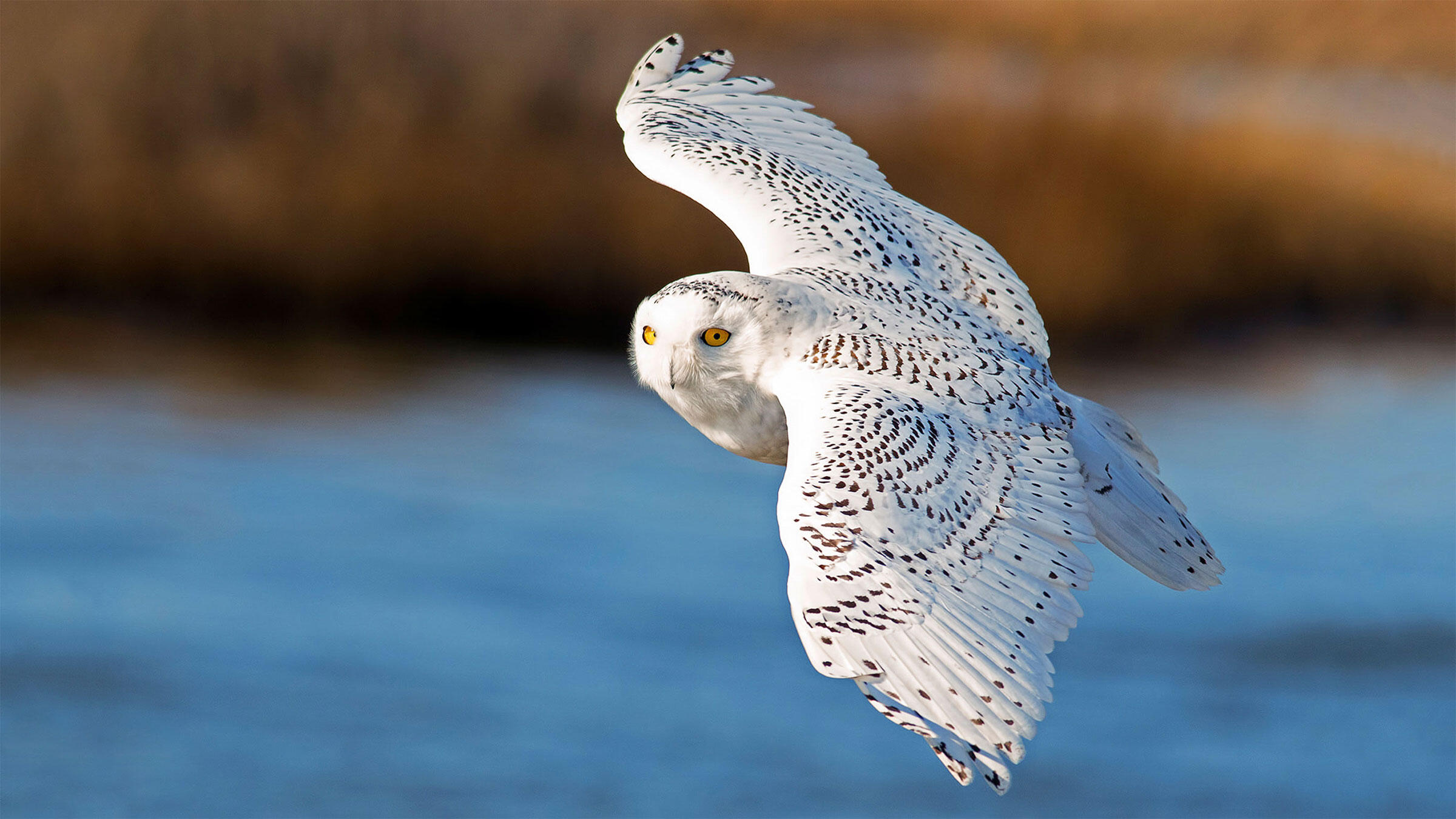
Photo by Brian Kushner

This week’s #SpeciesOfTheWeek is the Snowy Owl (Bubo scandiacus). These distinctive owls can be tough to pick out in a winter landscape. Adult males are almost all white, while females and juveniles have brown bars on the wings and chest. You’re most likely to see a Snowy Owl in the winter unless you live in the Arctic. Snowy Owls breed in the Arctic circle during the summer and migrate south of the tundra during the winter. Their wintering range covers all of Canada and the northern United States. You’re also most likely to see a Snowy Owl during the day. In the summer, when the Arctic sun doesn’t set, Snowy Owls can be seen hunting at all hours of the day. Like other owls, they hunt rodents, such as lemmings and Snowshoe Hares. They will also hunt birds, such as ptarmigan and waterfowl. Since there are no trees on their breeding grounds, Snowy Owls nest on the ground by scraping out a shallow hole in the ground, usually in dry, windswept spots. The eggs incubate for one month. The chicks leave the nest after 18-25 days but aren’t able to fly until they are around 7 weeks old, and the parents typically feed them until they are 9-10 weeks old. Migrants leave the Arctic late in the fall and can be seen in their wintering grounds from November to March. If you’re looking for a Snowy Owl, keep an eye out around open areas like farm fields or shorelines. Snowy Owls like to perch on good lookout posts, so check the tops of fences, telephone poles, or buildings, and you just might see one of these stunning birds!
Posted in Friends of Murphys Point, Murphys Point, Murphys Point Provincial Park, Species of the Week | Leave a comment

Species of the Week: The Eastern White Cedar

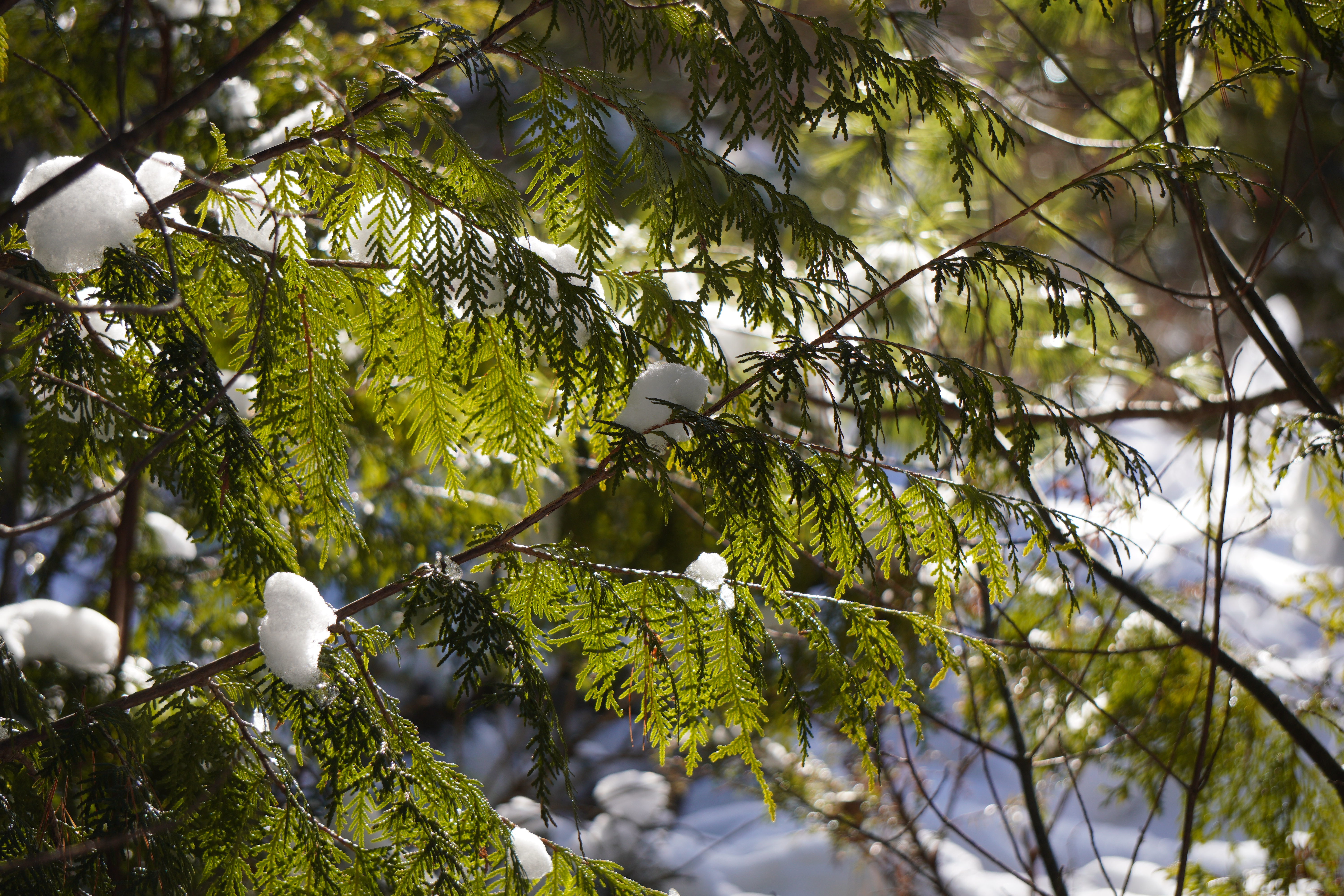
Photo by Nata Culhane

Our #SpeciesOfTheWeek is the Eastern White Cedar (Thuja occidentalis). This tree also has another fitting name in Latin, “Arborvitae” which means tree of life. In 1536, the crew of famous explorer Jacques Cartier was cured from scurvy by drinking tea from the leaves and bark of the Eastern White Cedar. Soon after, the name Arborvitae was widely used. Arborvitae is also an appropriate name when it comes to the tree’s role in the forest. Cedars are essential for deer year-round. Deer love to eat the foliage and in the winter they provide warmth and shelter from the cold elements, while in summer they provide a cooler environment. The seed cones of the Eastern White Cedar are an important winter food source for birds and small mammals! These trees like to “get their feet wet” so you will most often find them in wet or swampy areas. Can you think of anything made out of Cedarwood?

Posted in Friends of Murphys Point, Murphys Point, Murphys Point Provincial Park, Species of the Week | Leave a comment

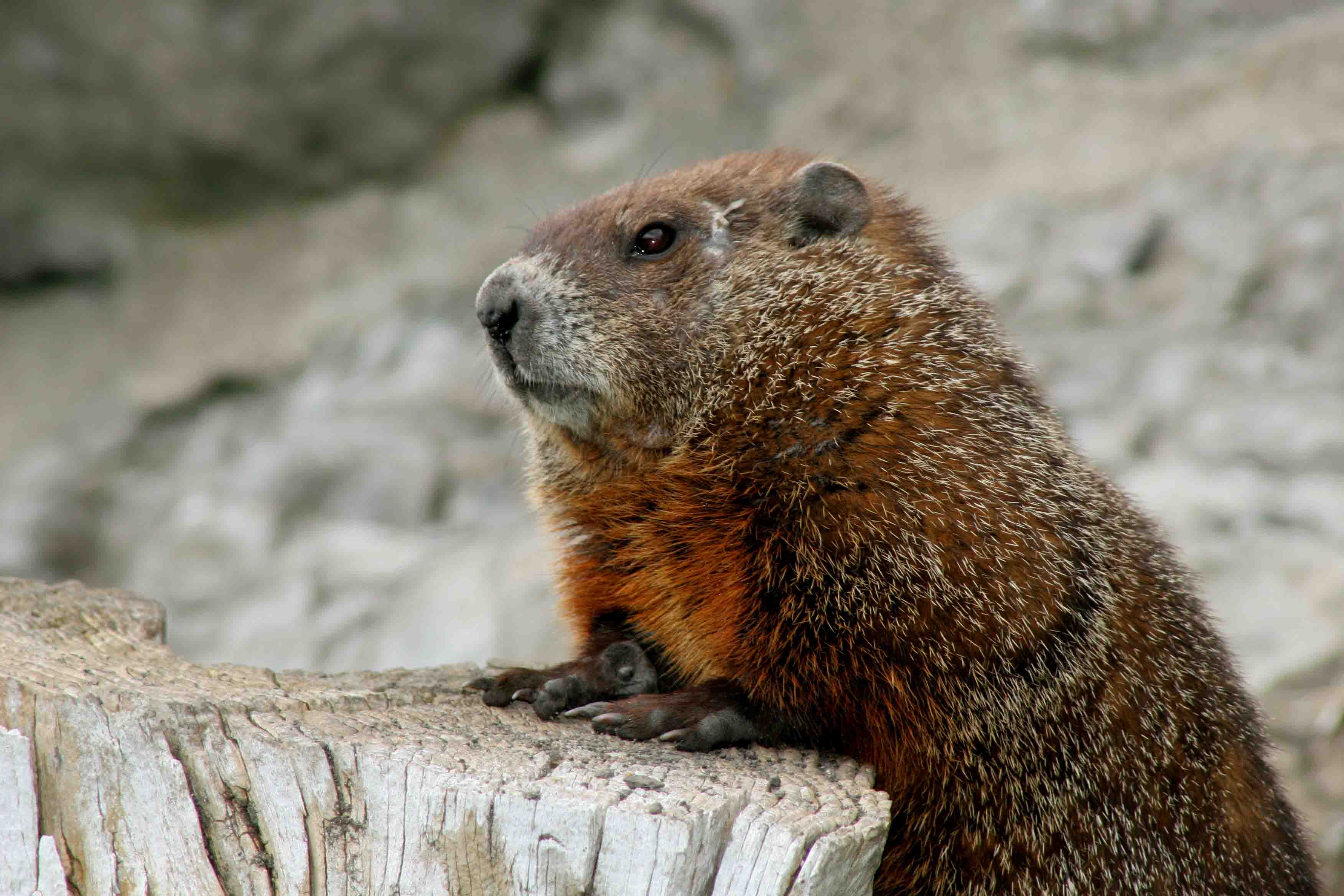
Species of the Week: The Groundhog

Photo by Simon Lunn

This week, our #SpeciesOfTheWeek is the Groundhog (Marmota monax). Also known as Woodchuck, Marmot, or Whistle-pigs, these weather-predicting mammals are members of the squirrel family! The Indigenous name for Groundhogs is “wuchak” which roughly translates to “the digger”. So the name Woodchuck has nothing to do with wood at all! Groundhogs are diurnal which means they are most active during the day. They like to eat clovers, dandelions and other plants, but also eat insects, mollusks and bird eggs as well. Groundhogs are well known for building very elaborate burrows which can have multiple levels, different bathrooms, and eating areas. These mansions don’t go to waste because when a groundhog abandons their home, another animal will move in! Foxes, weasels, otters and chipmunks are well known for doing this. Sometimes while a groundhog is hibernating in its burrow, raccoons, rabbits or skunks might move in for the winter. Have you ever seen a Groundhog at Murphys Point?

Posted in Friends of Murphys Point, Murphys Point, Murphys Point Provincial Park, Species of the Week | Leave a comment