
Boozhoo, today is National Indigenous Peoples Day!
National Indigenous Peoples Day is a time to recognize and celebrate the cultures, traditions, and contributions of First Nations, Métis and Inuit. Murphys Point is situated on the unceded, unsurrendered territory of the Algonquin peoples.
Indigenous knowledge, ways of knowing, wisdom, and interpretation are invaluable and hold important places in reconciliation. Today we would like to showcase some of the leaders who have shared the knowledge, efforts, and time with The Friends of Murphys Point, staff, and visitors to the park. We would also like to encourage all of you to reflect on the ways we connect to the land we are situated on and our roles in reconciliation.
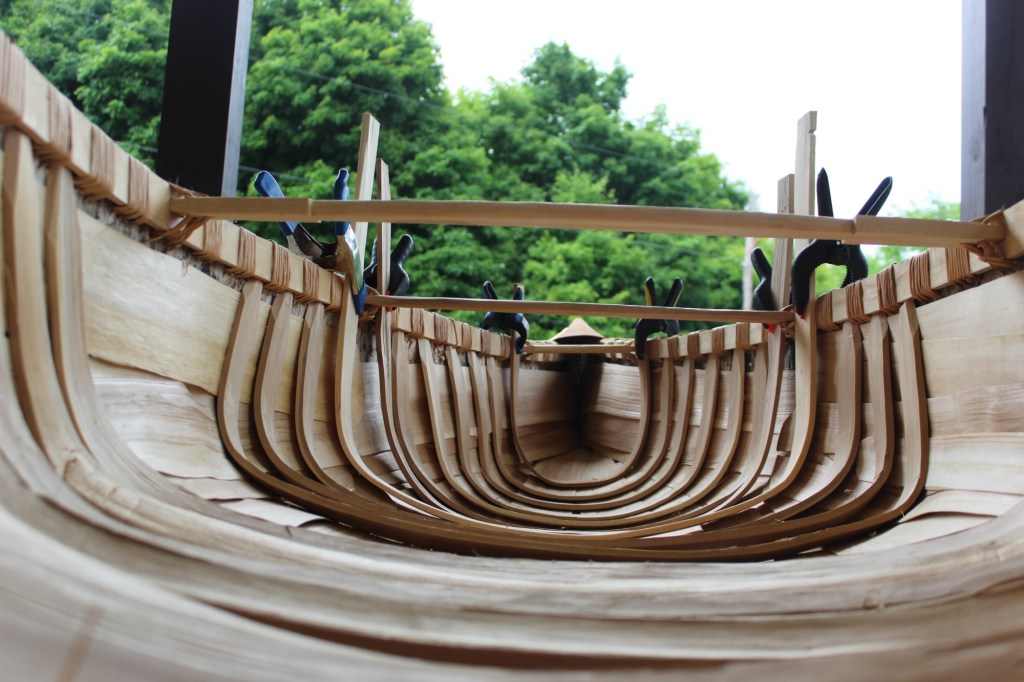
The Friends of Murphys Point were a part of hosting handmade birch bark canoe builder, Chuck Commanda in 2018 and 2019 for two builds. Chuck grew up as part of the Kitigan Zibi Anishiniabeg, an Algonquin First Nation, and learned to build through helping his grandparents make birch bark canoes.
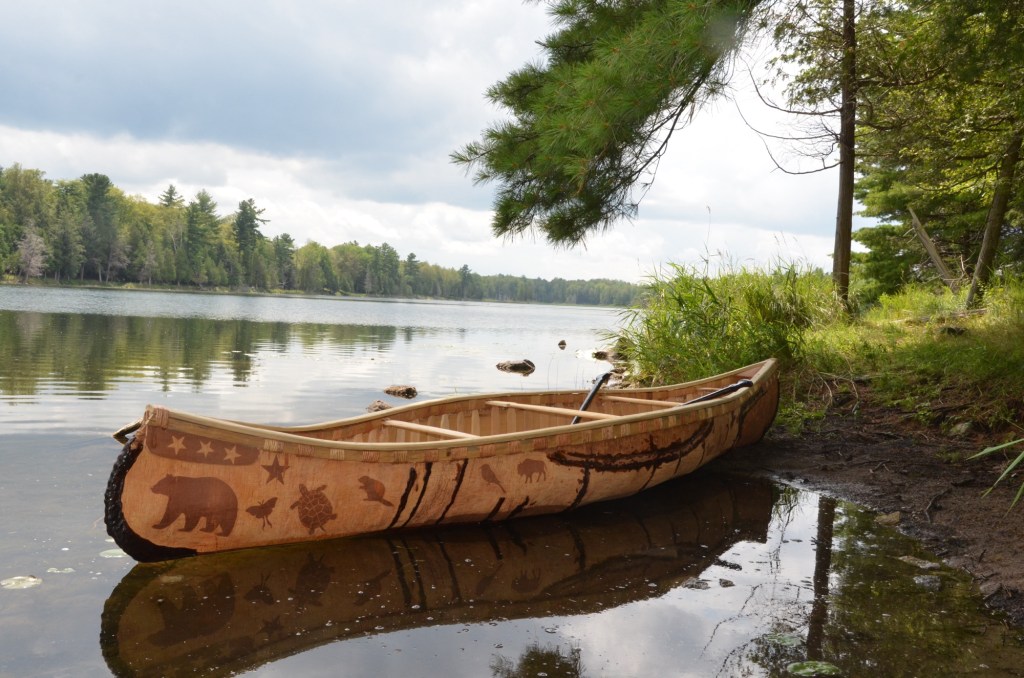
The first canoe build is featured on the Friends of Murphys Point website under our canoe build section (https://friendsofmurphyspoint.ca/canoe-build-videos/). This canoe is kept at the park for visitors to learn about and see. The second canoe was raffled to raise funds towards indigenous programming in the park. Thank you to Chuck for sharing this knowledge with us through birch bark canoe building.
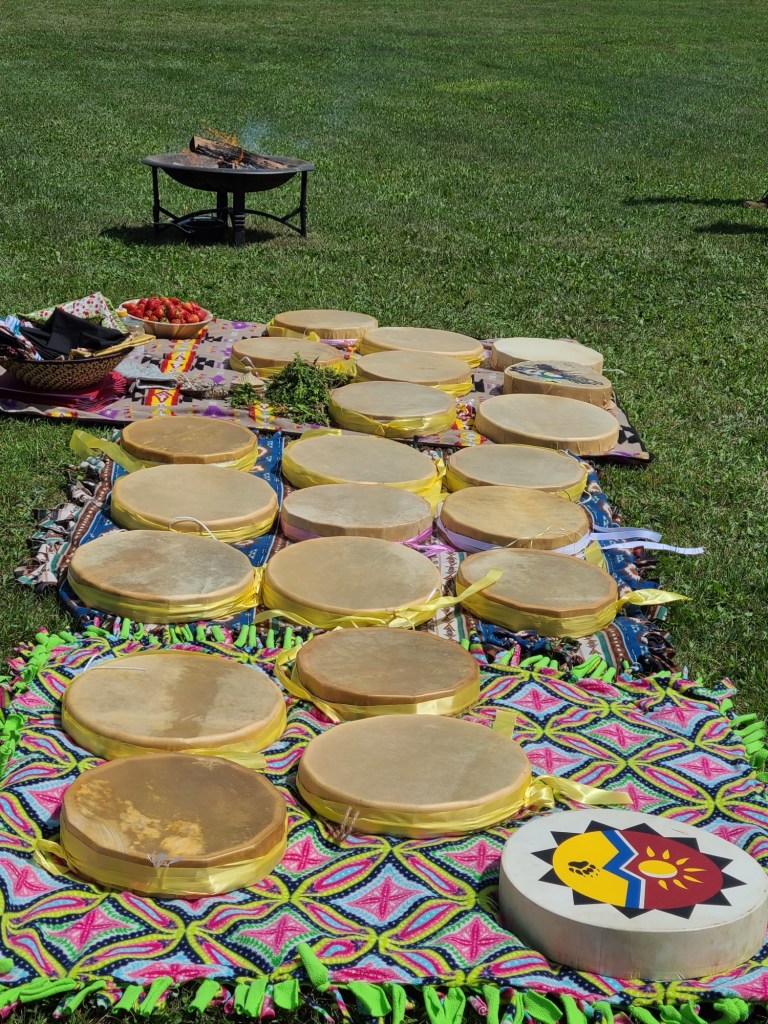
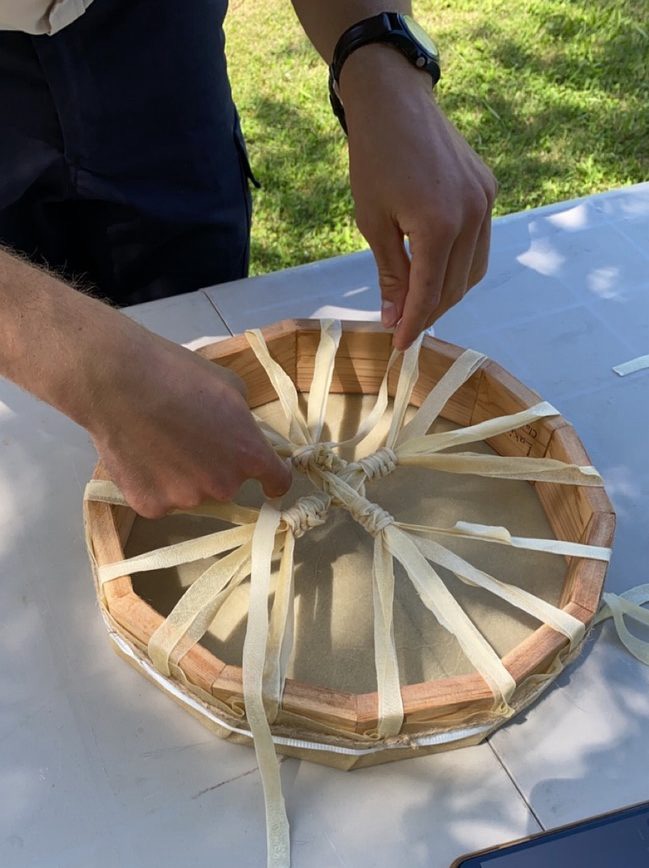
The Friends of Murphys Point have also hosted Helena Neveu host a drum-making workshop series which ran online and in the park in 2021. Helena, Walksfar Woman – Waasabiidaasome Kwe, of the Batchewana First Nation, an Ojibwe First Nation, shared her wisdom in two virtual and two in-person workshop sessions. Helena has over 30 years of experience as a drum maker and shared the spiritual significance, as well as the connection of the drum and storytelling in Ojibwe culture. The drum making workshops with Helena Neveu can be found on the Friends website at https://friendsofmurphyspoint.ca/2021/09/05/drum-making-workshop-2021/. Thank you to Helena for sharing this knowledge with us through drum making.
In 2023, Marc Forgette, Apitipi Anicinapek Nation, lead a medicine bag workshop for park staff. Marc is the creator of Makatew Workshops. This workshop shared the history of medicine bags, as well as pathways to truth and reconciliation, cultural appreciation, and sourcing materials locally for crafting. Makatew Workshops can be found at Makatew.ca. Thank you to Marc for sharing this knowledge with us through medicine bag creation.
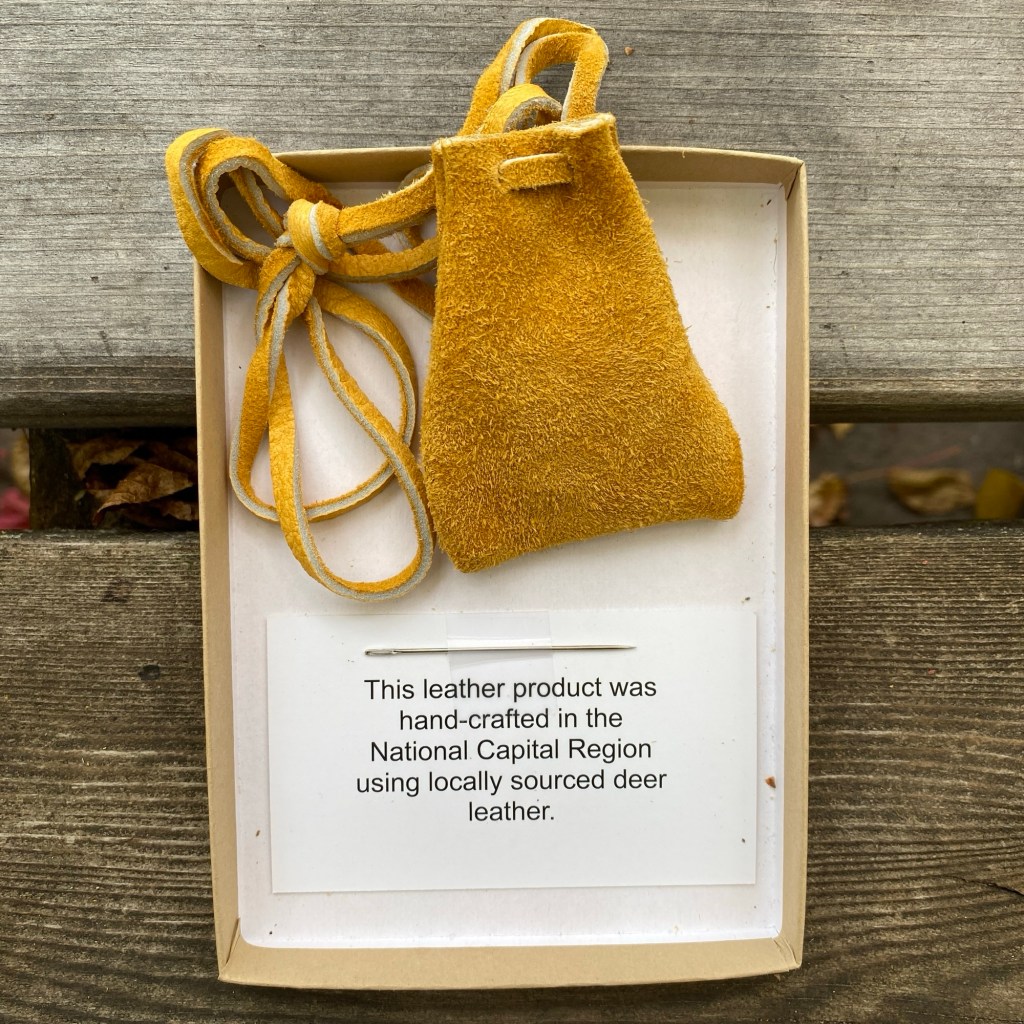
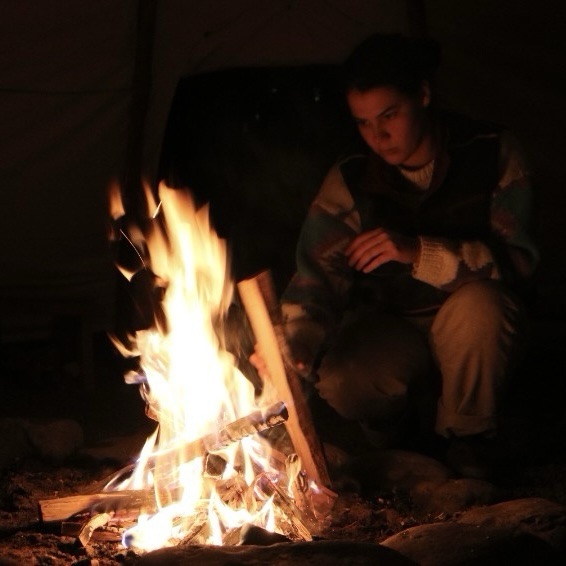
In 2024, Fire Keeper Kayl Commanda of the Nipissing First Nation lead an Anishinaabe Fire Teachings program for park visitors and staff. Kayl shared about the cultural and ceremonial significance of having a fire, teaching they have received relate to the building of fires, and the role of Fire Keepers in their communities. Thank you to Kayl for sharing this knowledge with us through Fire Keeping.
We are incredibly honoured and grateful for all of these experiences and the traditional knowledge that has been shared at Murphys Point over the years through these programs. We thank these teachers for their presence, efforts, and time in the park and with communities.
On this day, we encourage you to recognize and celebrate the many traditions, contributions, and cultures of First Nations, Métis and Inuit. Become familiar with where you are situated and engage in learning. Were you able to take part in any of these workshops? Let us know in the comments.
Chi-miigwech!






 Friends of Murphys Point Park