The Red Admiral is one of many beautiful butterfly species that can be found in Murphys Point. This medium-sized butterfly is recognized most easily by the red – orange bands across its wings. As it is a migratory species, the Red Admiral arrives in the park around May to enjoy the warm Ontario summer!
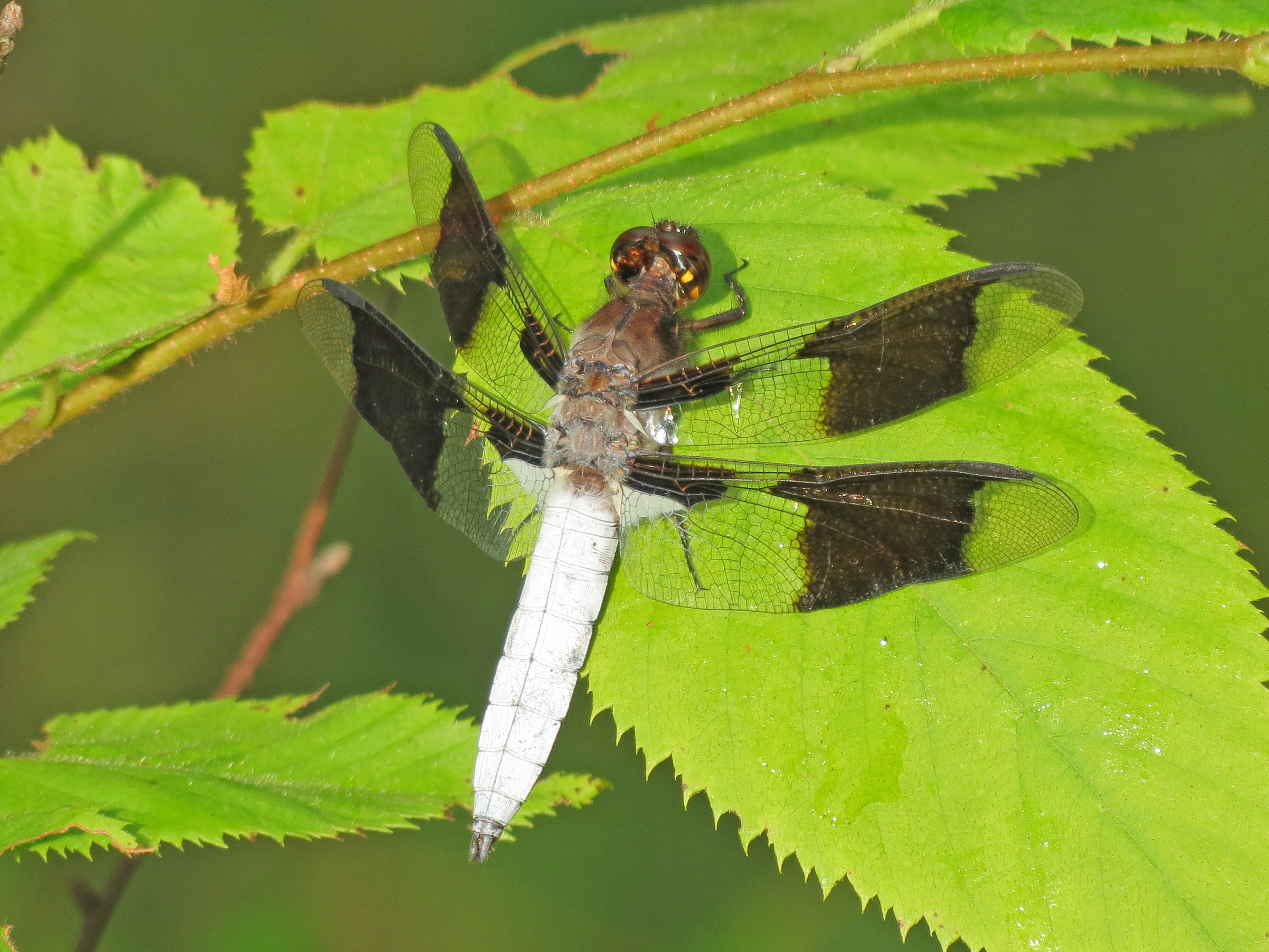
It’s time for another #SpeciesOfTheWeek posting, and another discussion of the extraordinary nature of dragonflies – specifically, the Common Whitetail (Plathemis lydia). This photo is of a mature male Common Whitetail, easily recognized by the thick, white abdomen (tail). The colouration is actually the result of ‘pruinosity.’, a waxy substance that male Common Whitetails use as a territorial threat. Other dragonflies and damselflies use pruinosity as a way to identify each other. Juvenile males and mature females do not develop pruinosity – identifying adult male Common Whitetails is, therefore, a cinch. With a flight period that lasts from early June until late August, Common Whitetails are often seen by campers and visitors to the park.
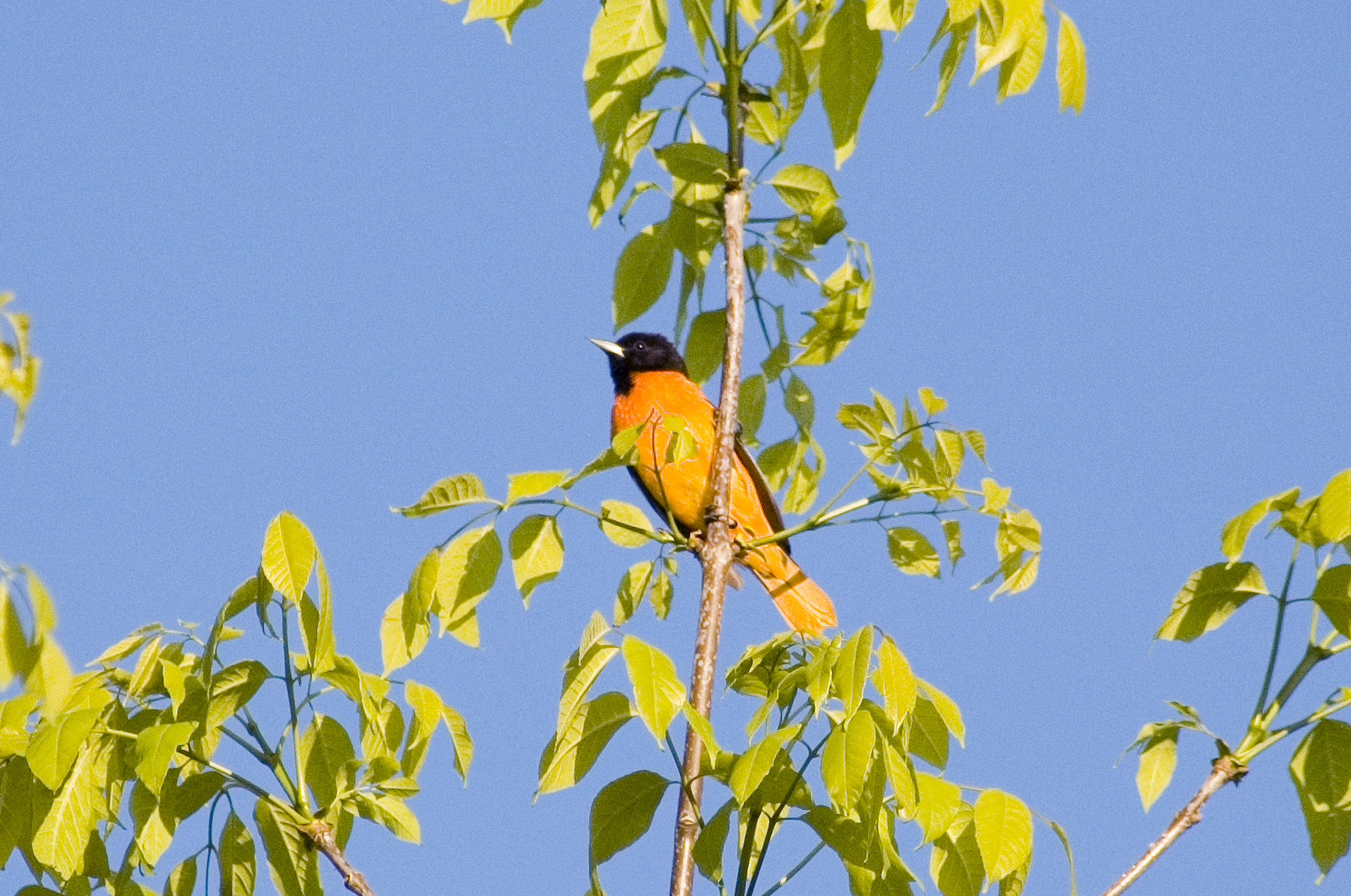
This week we’re taking a look at the Baltimore Oriole (Icterus galbula). As members of the family Icteridae (Greek for “Jaundiced Ones”), Orioles are closely related to New World blackbirds, meadowlarks, and grackles. These migratory birds spend their summers in the vicinity of Murphys Point and are often seen perched at the tops of large deciduous trees. Common to edge habits, the Baltimore Oriole is rarely seen deep in densely forested areas. Adults have white bars on their dark wings. While males and females are close in size, their colouration differs — males are orange on their underparts — like the bird pictured here — whereas females tend to be more yellow-brown in colour.






 Friends of Murphys Point Park