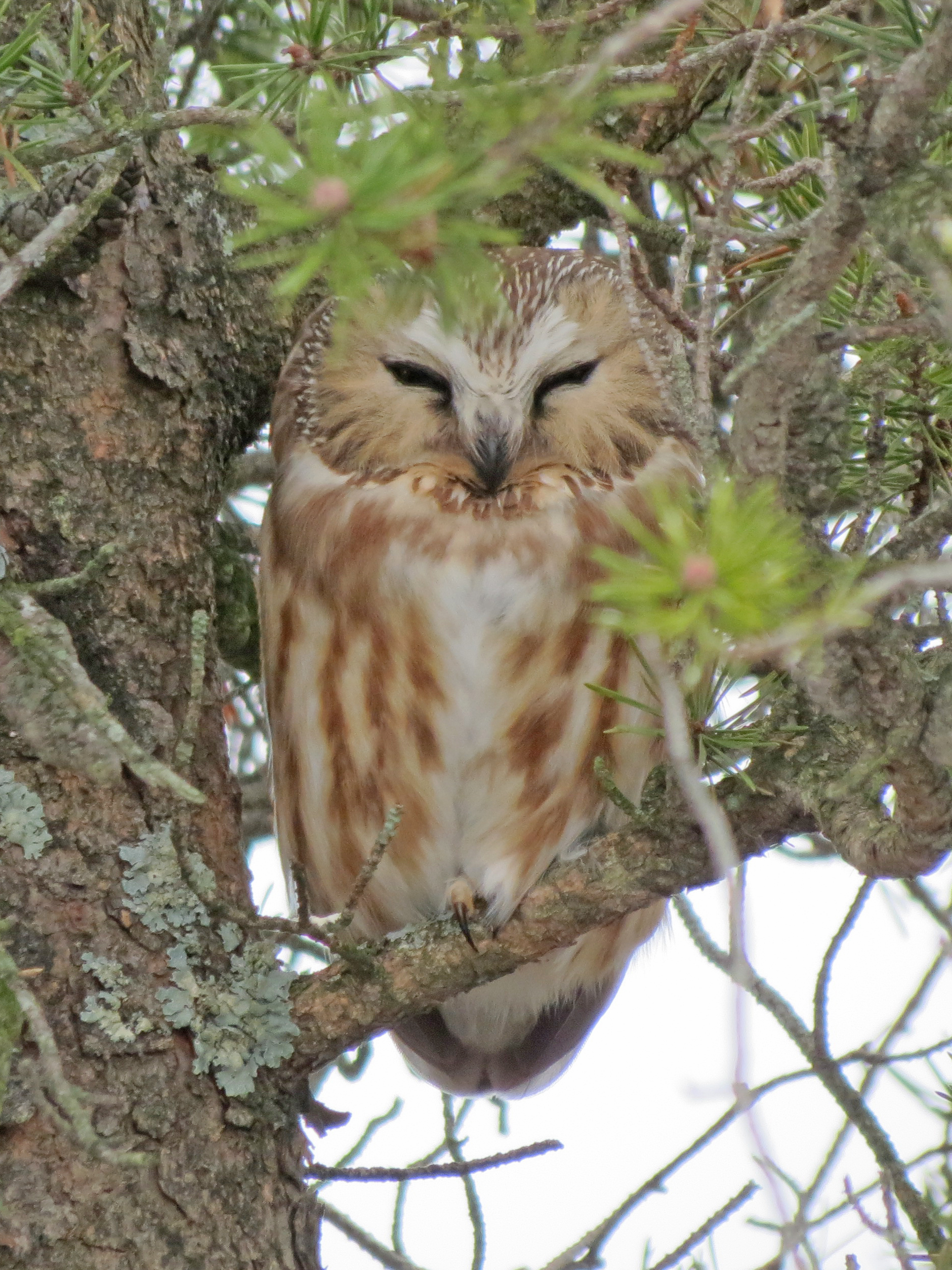
Species of the Week: The Northern Saw-whet Owl

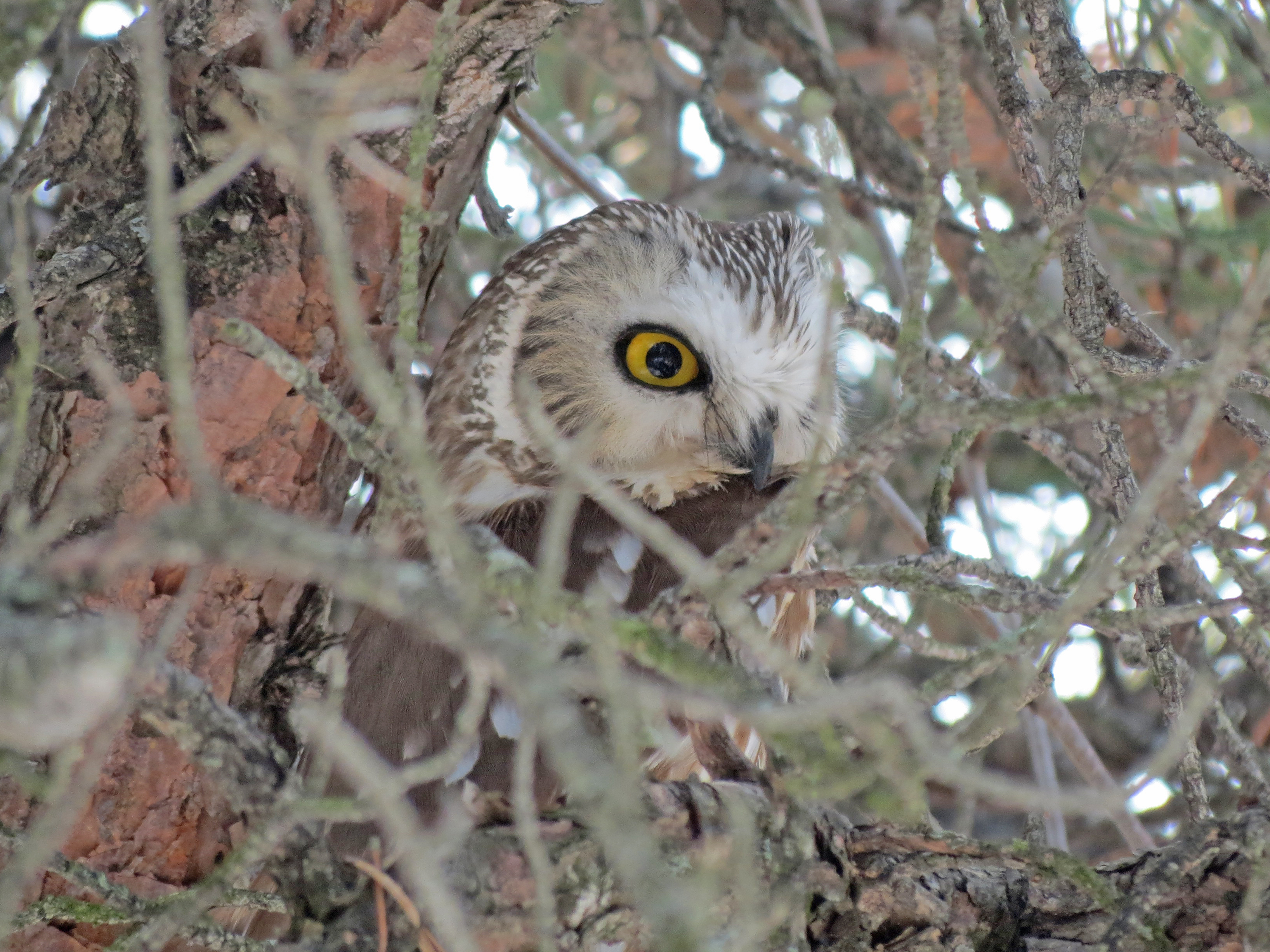
The #SpeciesOfTheWeek this week is the Northern Saw-whet Owl (Aegolius acadicus). The Northern Saw-whet Owl is a small owl (about the size of an American Robin) that does not exhibit sexual dimorphism: both males and females are approximately 18-21 cm long, with a wingspan ranging from 42-48 cm. They have mottled brown feathering with white spots on the head and yellow eyes. Although they have a widespread distribution across North America, they are rarely seen due to their secretive nocturnal habits, and preference for dense conifers. In the spring, they can often be located by their distinctive, almost whistled “toot-toot-toot” call. The most common prey of the Northern Saw-whet Owl are deer mice, chipmunks, bats, and voles. On migration, they may supplement their diets with small birds such as chickadees and warblers.

Posted in Friends of Murphys Point, Murphys Point, Murphys Point Provincial Park, Species of the Week | Leave a comment

Species of the Week: The White-tailed Deer

Photo by Murphys Point PP

The White-tailed Deer (Odocoileus virginianus) is our focus for this week’s #SpeciesOfTheWeek. An extremely common mammal at Murphys Point, members of the White-tailed Deer population are often spotted by visitors to the park. Although they make for a cool sighting, the deer population in Ontario has expanded rapidly due to the extirpation of native wolf populations. This expansion has lasting negative effects on the forests due to the deer’s preference for tree saplings and understorey plants in the summer, and bark in the winter. These deer can leap up to 2.5 meters high and 9 meters horizontally, so fencing has little effect. The White-tailed Deer’s coat changes in colour from reddish-brown in the summer to grayish-brown in the winter. The average lifespan of a White-tailed Deer is 6 years in the wild.

Posted in Friends of Murphys Point, Murphys Point, Murphys Point Provincial Park, Species of the Week | Leave a comment

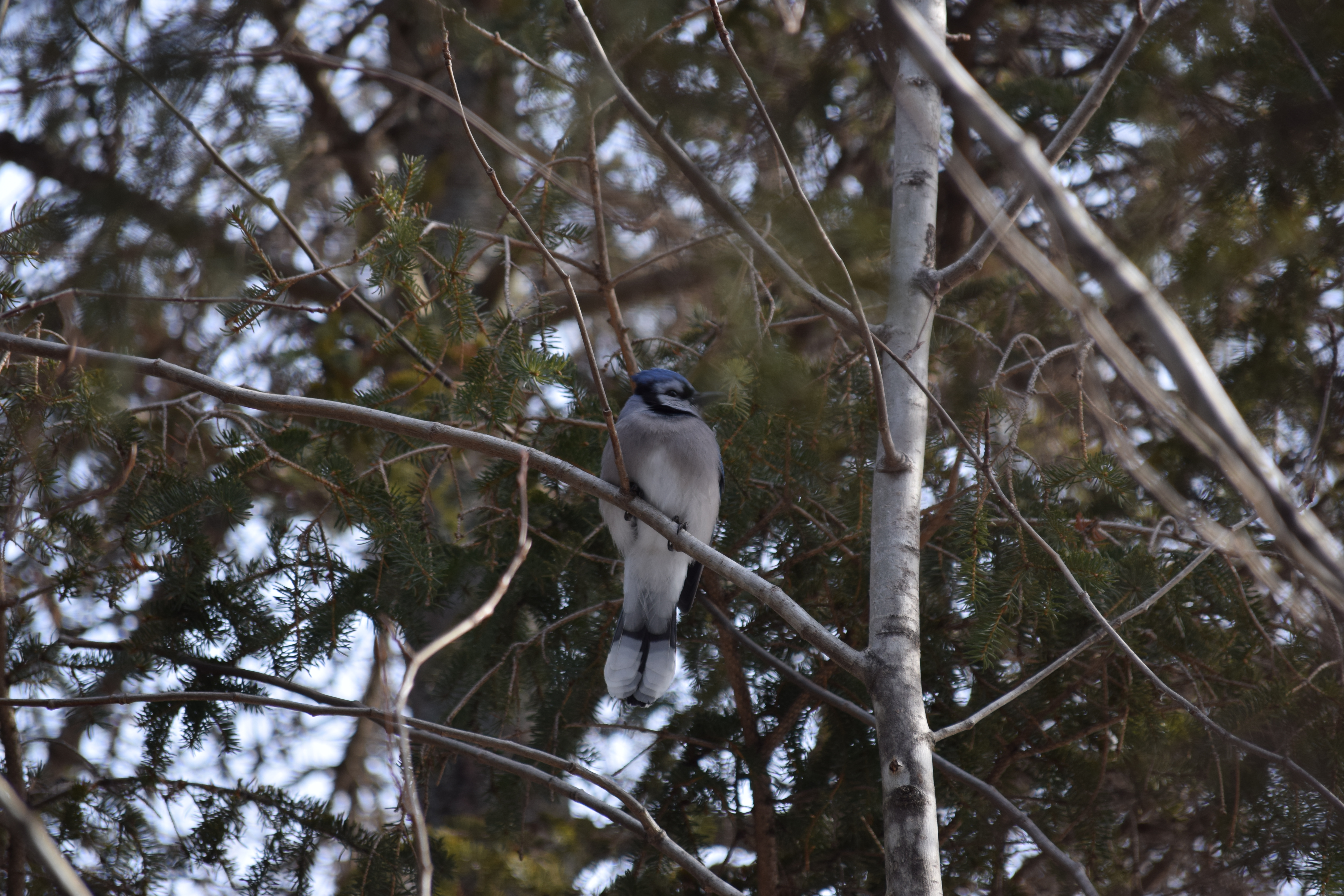
Species of the Week: The Blue Jay

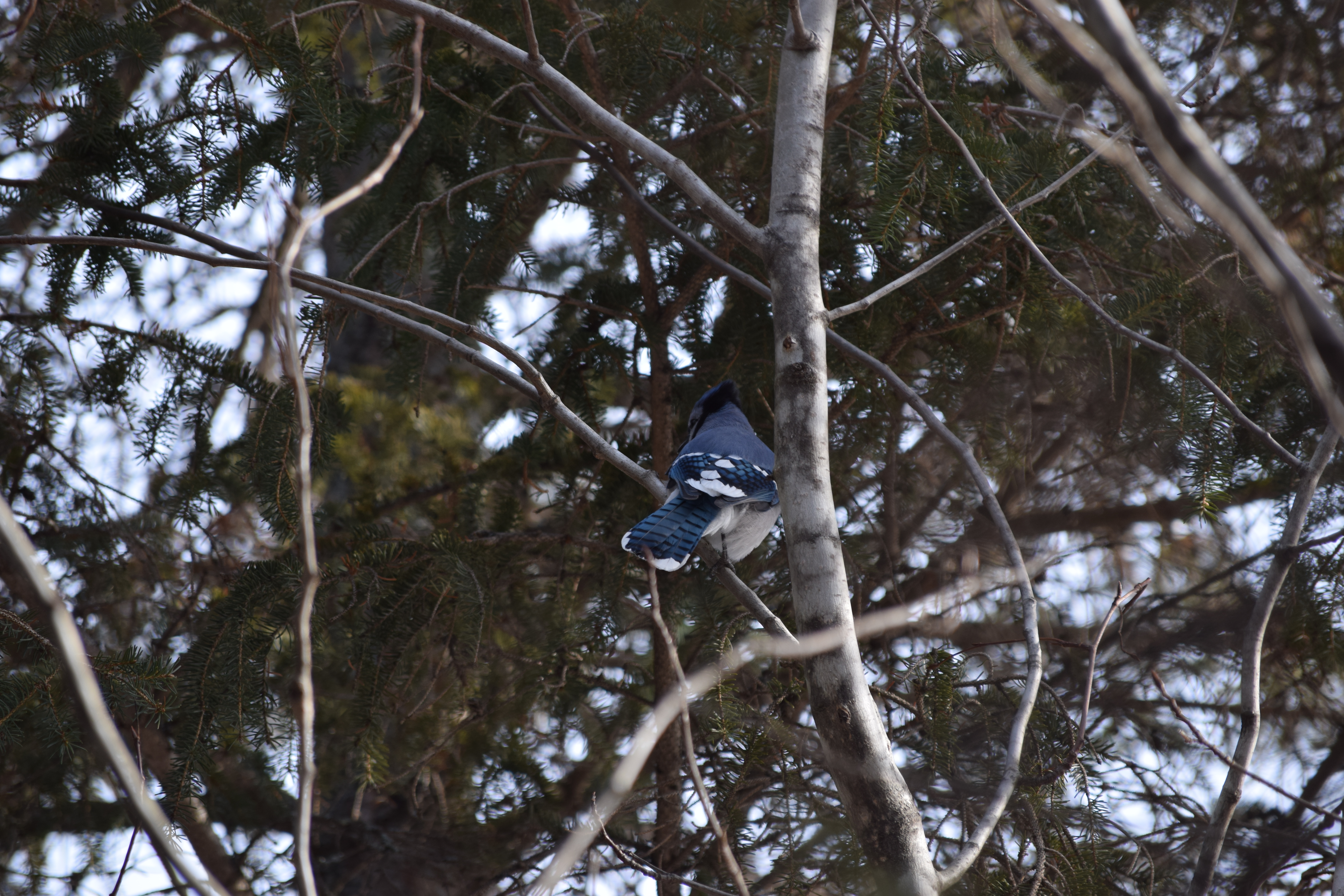
This week’s #SpeciesOfTheWeek is the Blue Jay (Cyanocitta cristata). The Blue Jay is a very recognizable bird with blue plumage on the upper parts and white below. The blue crest on top of the Blue Jay’s head makes it stand out against a backdrop of green foliage. Blue Jays are a common sight in Canadian forests, though they prefer areas with oak trees. In urban areas, they are frequently sighted in backyards where they often come to bird feeders. The diet of the Blue Jay consists mainly of nuts and insects though they may also eat dead and injured small animals. Blue Jays build their nests in the outer branches of coniferous and deciduous trees, typically 10-25 ft above the ground. Clutch sizes are often between 2 and 7 eggs. These highly intelligent birds have complex social systems and will often stay with one mate throughout their lives. Blue Jay populations have declined by 28% between 1966 and 2015. The most common cause of human-associated death is by cats. This species should be well-known to anyone from Prince Edward Island as it is the provincial bird, but here at Murphys Point, they can be found on all the major trails.

Posted in Friends of Murphys Point, Murphys Point, Murphys Point Provincial Park, Species of the Week | Leave a comment